
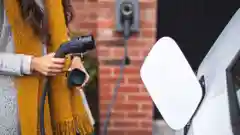
There is a lot of talk about ‘electrification’, but what does it mean?
People are choosing to electrify their homes for two main reasons.
As the electricity grid shifts toward renewable sources, electricity is becoming a more environmentally responsible energy option, contributing to lower greenhouse gas emissions.
A significant benefit of electrification is the potential to reduce the overall running costs of the home and car. This is largely due to ongoing improvements in electrical appliance and battery technology. For instance, while gas hot water systems were traditionally cheaper to operate than electric ones, advancements in heat pump and solar hot water systems often make electricity the more cost-effective option for managing hot water running costs today.
Options for energy-efficient appliances
Modern homes commonly feature three key appliances that can be electrified: hot water systems, heating and cooling, and cooking equipment. Let’s have a look at the various electric options available within each of these categories.
Hot water
Heating hot water is a large source of energy use in the home and can account for over 25% of the total household energy use. To save energy and reduce running costs you could install an efficient heat pump or solar hot water system.
Heat pumps absorb the heat from the surrounding air, effectively acting as a "refrigerator in reverse". They can use about a 60-75% less than a conventional hot water system, making them a win for both your wallet and the environment. Check out A guide to heat pump hot water systems.
Electric Boosted Solar Hot Water Systems utilise solar energy to preheat water, only resorting to electricity for temperature boosting when necessary. They can achieve significant energy savings, typically using at least 60% less energy than conventional gas or electric water heaters.
A typical setup includes:
- •○
One or more roof panels that heat the water.
- •○
A storage tank usually mounted on the roof or ground, with an electrical backup element.
Heating & cooling
Warming up or cooling down your home uses a lot of energy—we're talking around 40% of your total household energy use. If you want to keep things comfy without seeing a big jump in your electricity bills, think about getting a reverse cycle split system (maybe a few of them) or a complete ducted reverse cycle system with separate zones. It's a great way to manage both heating and cooling efficiently and cut down on costs. Remember to set your thermostat to 18-20°C in winter and 25-27°C in summer to help save energy, as each degree of extra heating or cooling can increase consumption by 5-10%. Reverse cycle split systems use a heat pump system that extracts heat from the outside air and transfers it inside to provide warmth, or absorbs heat from the indoor air and releases it outside to provide cooling. They consist of two units connected by pipes. One unit sits outside either wall or ground mounted and the other is installed indoors mounted high on, or in the wall.
Zoned ducted reverse cycle systems use the same technology as split systems but use ducts in the floor or roof to transport the hot/cold air through vents. The ducts have motor controlled valves or plates that can stop, or regulate the flow of air, by enabling the creation of separate zones, the system allows you to individually control the heating and cooling for different areas of your home. This zoning capability offers an energy-saving advantage, as you can select specific parts of the house to heat or cool only when needed.
Not a customer?
Cooking
While cooking usually represents a small portion of a home's total energy consumption, it might be the last reason to keep a gas connection after other appliances are electrified. The fixed supply charges for a gas connection can significantly increase the overall energy bill. This often motivates homeowners to replace gas ovens and stovetops with more efficient electric alternatives.
Electric ovens use heating elements, or coils inside the oven that convert electricity into heat and will usually have a fan to circulate the air for faster cooking, providing an even temperature throughout the oven.
Induction cooktops use electromagnetic technology to heat the cookware and its contents without wasting energy heating the cooking surface. Energy is delivered directly to the pot or pan, making it twice as efficient as gas and other electric stovetops. The surface of an induction cooktop is flat and usually made from ceramic glass, making it easy to clean.
How much does it cost to electrify your home?
While the running costs of an electrified home can lead to savings, the initial investment in replacing appliances can be substantial. The ideal times for electrification are during a new house build or when existing appliances fail or become too expensive to operate. To smooth the transition and potentially reduce costs, research options, pricing, and reliable providers ahead of time. Be sure to investigate the various government rebates and other incentives available to help households install energy-efficient electric appliances.
If you've removed all gas appliances, consider plugging or abolishing your gas line.
Even with no gas use, you may still receive a daily supply charge on your gas bills. Closing your gas account will stop you from receiving a bill as long as you don't use gas but, you will still have an active, pressurised gas line on your property which should be considered in terms of safety.
There are a couple of options to address this.
- •○
Gas main disconnection will remove ongoing gas charges and improve safety. This will see your gas meter capped, or locked and gas will no longer be available on your property. If you, or future occupants want to use gas in the future, the process can be reversed.
- •○
Gas service abolishment will see the meter at the property removed and the gas line capped at the street. This is a more permanent solution which cannot be reversed.
Refer to Disconnecting, Locking or Abolishing a Meter for more information about abolishments and capping or call us on 131 806, our friendly team is here to help.
The final word
Going all-electric is something that happens over time, not overnight, and it's best to take a few years to do it without breaking the bank. You really need to plan and do your homework before switching out your current appliances - and maybe your cars - for electric versions. The perfect way to electrify your home depends on a few things: your budget, what appliances you have now, and your future plans (like if you're renovating or thinking of selling).
Join Red today
- •○
- •○
- •○
- •○