
Appliance energy star ratings explained

You may have seen energy star ratings on several modern appliances.
Understanding energy star ratings can be a game-changer for your household budget and environmental impact. With everyday items like our fridges, washing machines and dishwashers often consuming more energy than we realise, these star ratings help you identify the most efficient appliances. In this article, we’ll break down how to read these ratings and show you what they mean for your energy bill.
Energy efficiency is measured by assessing the energy consumption of appliances under standardised conditions. Energy star labels make it easy to understand this measurement, and they come in two variations: one featuring a 6-star rating and one featuring a 10-star rating. 6-star energy rating labels: As the name suggests, a 6-star label features six stars in a red and white bar at the top.
The red section indicates the number of stars the appliance has, with each star representing a higher level of efficiency. For example, if the red extends to the fourth star, it indicates a four-star appliance. Additionally, the label provides an energy rating, measured in kilowatt hours (kWh) per year, which indicates the appliance’s average annual energy consumption.
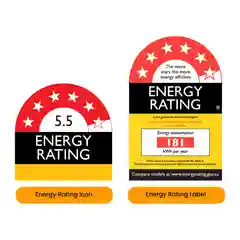
10-star energy rating labels: 10-star labels are similar, only the 6-star bar is completely red. Above this bar, there are four additional white stars. Combining these stars with the six stars from the original bar gives you the appliance’s energy star rating. As a general rule, appliances with higher star ratings have a higher initial purchase cost. However, they also consume less energy, potentially leading to long-term savings on your energy bills.
A good energy rating typically depends on the specific type of appliance. In general, the higher the star rating, the more energy-efficient the appliance is. For example, a refrigerator with a 6-star rating is considered more energy-efficient than one with a 4-star rating. When assessing energy ratings, it’s essential to consider the size and usage patterns of the appliance. Additionally, comparing the energy rating with the average consumption for similar appliances can help determine what constitutes a good energy rating for your needs.
You’ll find energy star ratings on the following appliances:
- •○
Televisions
- •○
Dryers
- •○
Washing machines
- •○
Refrigerators
- •○
Freezers
- •○
Air conditioners
- •○
Dishwashers
Other appliances may carry the label, but the seven appliances listed above must have one.
You may see a blue energy star on any of the following appliances:
- •○
Printers
- •○
Laptops
- •○
Computers
- •○
DVD/Blu-Ray players
- •○
Fax Machines
Blue energy stars aren’t related to Australian energy star rating labels. Instead, they’re an American initiative. Nevertheless, they serve a similar purpose of indicating whether an appliance is energy-efficient.
They’re voluntary for Australian manufacturers, so not everyone uses them. As a result, an appliance without a blue energy star may be as energy efficient as one that does have one.
It all comes down to energy consumption. The more electricity an appliance uses, the more it costs you to power it.
Washing machine example:
Let’s assume that you want to buy a washing machine that can carry a 7kg load. You have a choice between a one-star and six-star machine. The one-star machine uses 500kWh of energy per year, while the six-star machine uses 250kWh.
Look at your energy bill to find the cost of a single kWh of energy. Let’s assume it’s 30 cents per kWh. Now, multiply the single unit cost by the annual kWh figure on the energy star rating.
In this example, the one-star washing machine costs $150 per year to run. By contrast, the six-star machine costs $75.
As you can see, the longer the machine lasts, the more money you may save on your energy bills. Using the six-star washing machine for 10 years saves $750 on electricity compared to using the one-star machine for the same period.
It depends on the initial cost of the appliance, how much energy it saves, and how long you’ll use it for. Generally, low-star appliances cost less upfront, but cost more over time. If you only plan on using the appliance for a couple of years, the upfront saving may outweigh the long-term energy saving. As a general rule, the longer you need the appliance, the more stars it should have.
Always check an appliance’s energy star rating before buying. In most cases, buying an appliance with a high-star rating could save you money over time. Furthermore, be wary of any appliances from the above list that don’t carry a rating. These have probably not undergone testing, and may cost more money to operate.